Educational Insights into Nutritional Habits
Exploring food context and dietary knowledge for men in midlife
Educational content only. No medical services. No promises of outcomes.

Introduction to Nutrition for Middle-Aged Men
Nutritional needs and eating patterns evolve throughout different life stages. For men in their middle years, understanding the role of various food groups, nutrients, and dietary contexts becomes increasingly relevant to everyday wellness and lifestyle quality.
This educational resource explores general concepts related to balanced eating, macronutrients, micronutrients, and cultural food traditions. The information presented here is descriptive in nature and does not constitute personal dietary advice or health recommendations.
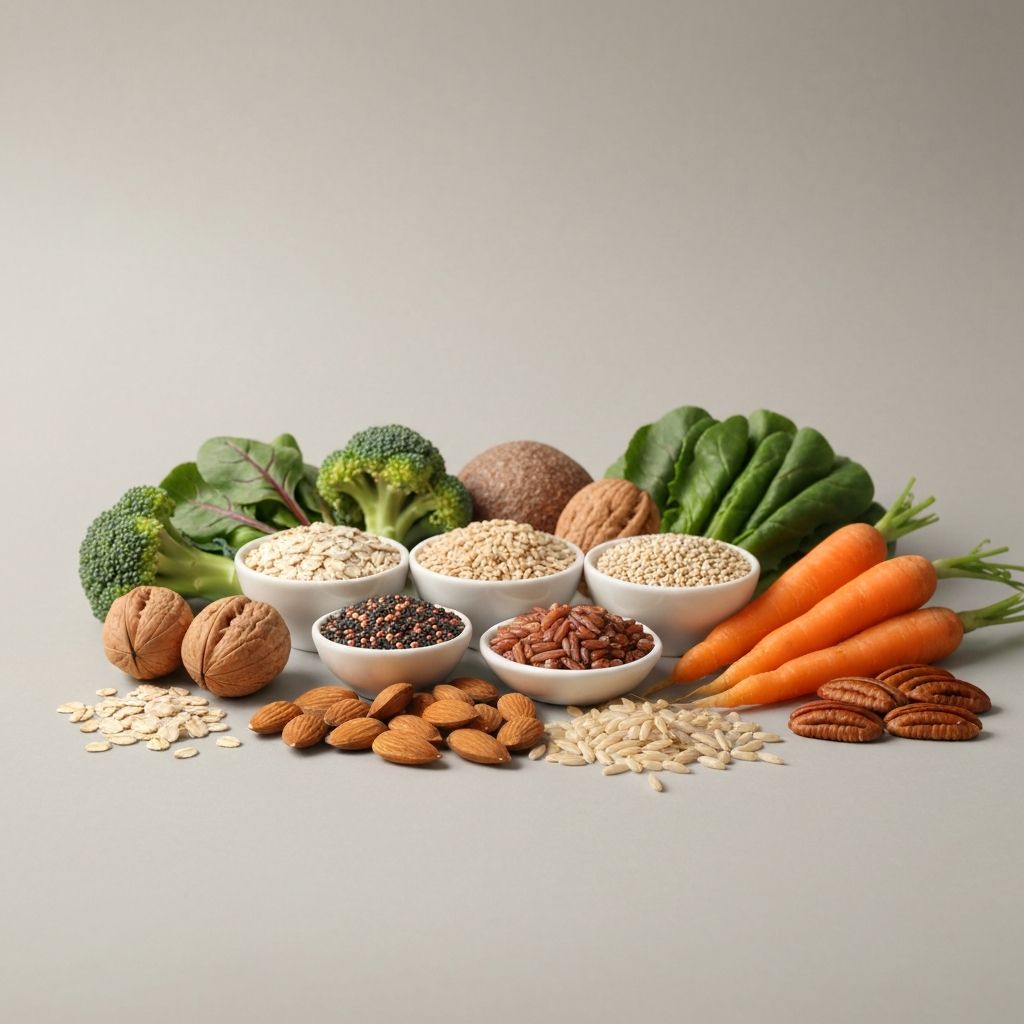
The Changing Nutritional Landscape
As men age, metabolic processes naturally shift. Energy requirements may change, nutrient absorption can vary, and lifestyle factors play increasingly important roles in overall wellbeing. Understanding these general patterns helps contextualize the broader conversation about food and health.
Research suggests that balanced eating patterns emphasizing whole foods, adequate hydration, and mindful consumption contribute to quality of life across age groups. However, individual needs vary significantly based on genetics, activity levels, health status, and personal circumstances.
Macronutrients Overview
Macronutrients are the primary categories of nutrients that provide energy and support bodily functions. Understanding their roles helps contextualize dietary choices and food composition.
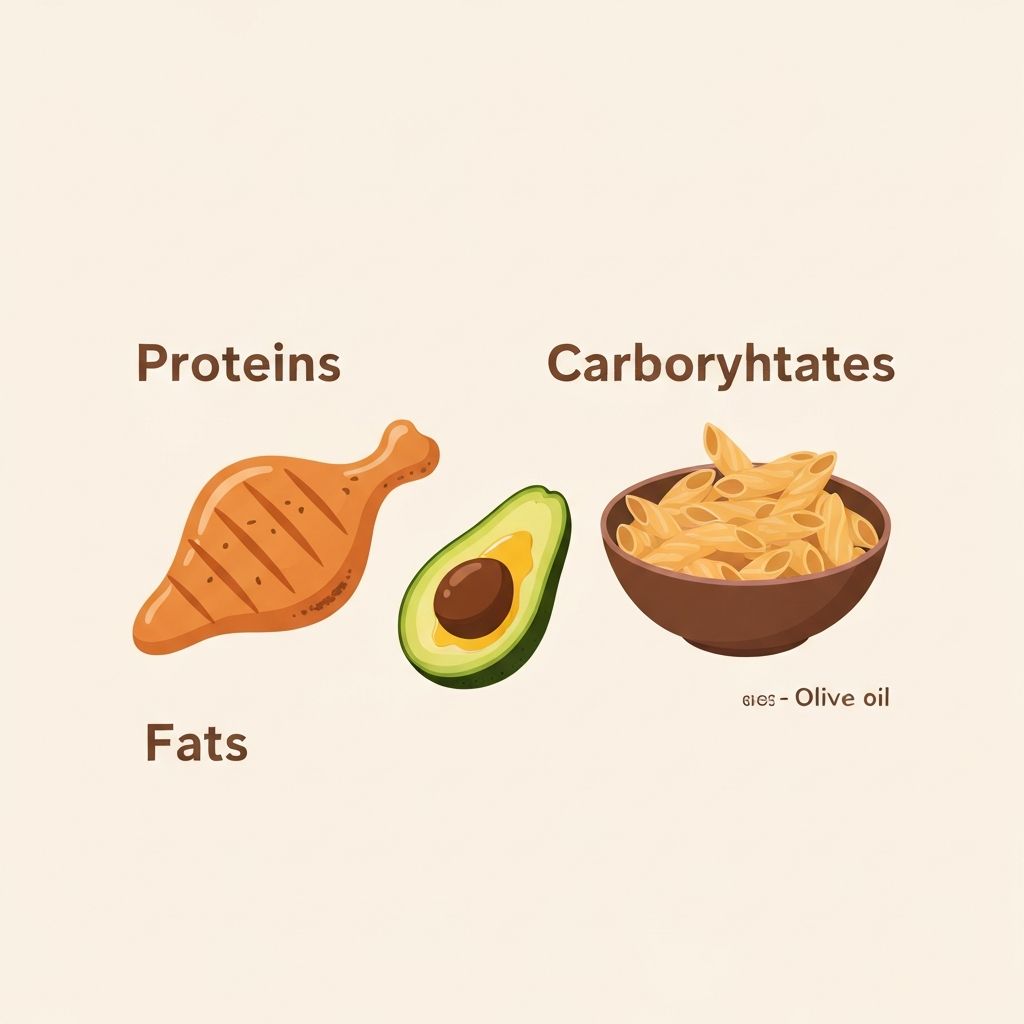
Proteins
Proteins are complex molecules composed of amino acids. They play structural and functional roles throughout the body. Common protein sources include meat, fish, legumes, dairy products, and certain grains. The quality and digestibility of protein varies across different food sources.
Carbohydrates
Carbohydrates serve as a primary energy source for many bodily processes. They exist in various forms, from simple sugars to complex starches and fiber. Whole grains, fruits, vegetables, and legumes provide carbohydrates along with fiber, vitamins, and minerals.
Fats
Dietary fats are essential for numerous biological functions including nutrient absorption, hormone production, and cellular structure. Sources include oils, nuts, seeds, fish, avocados, and animal products. Different types of fats have varying properties and roles in nutrition.
Balanced eating patterns typically include appropriate proportions of all three macronutrients, though optimal ratios vary based on individual factors, cultural traditions, and personal preferences.
Micronutrients and Vitamins
Micronutrients, including vitamins and minerals, are required in smaller quantities but play crucial roles in maintaining bodily functions. Understanding their food sources and general functions provides context for dietary diversity.
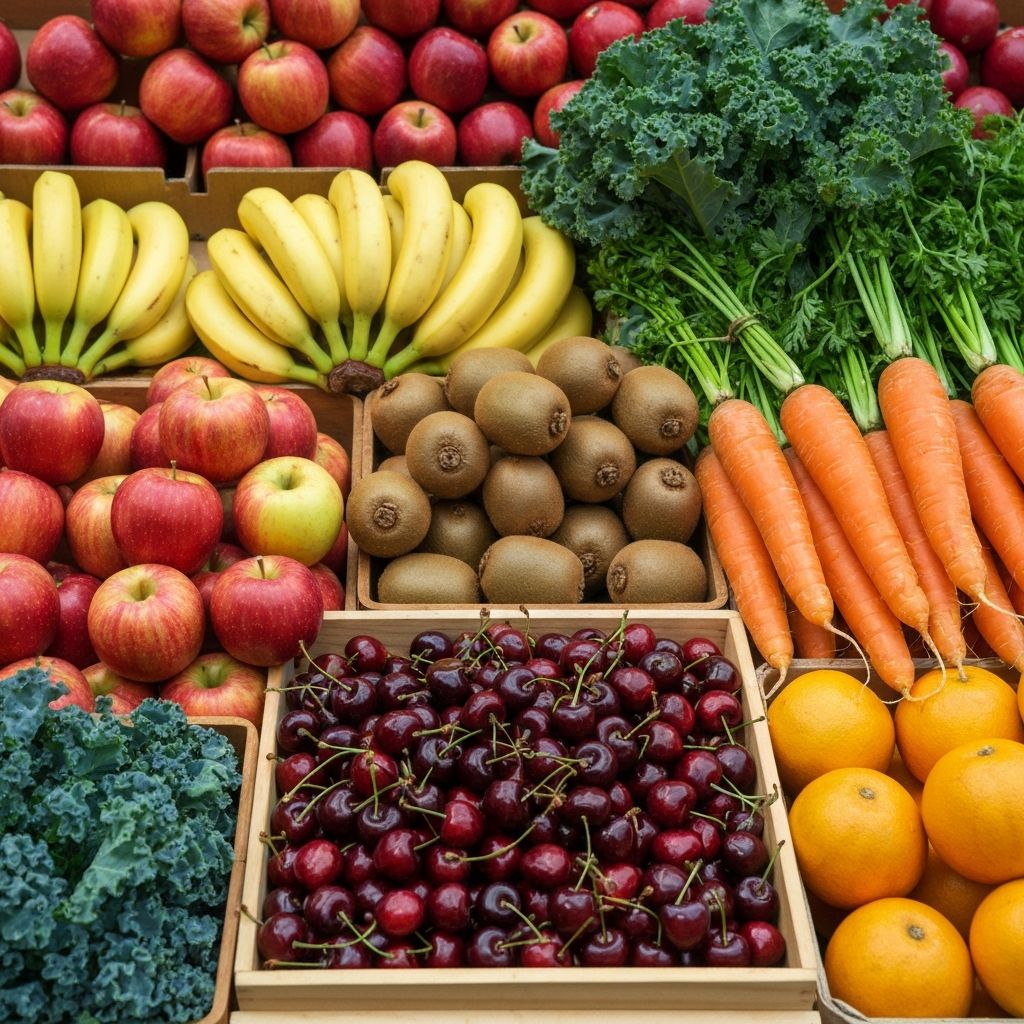
Essential Vitamins
Vitamins are organic compounds that support various metabolic processes. Water-soluble vitamins like vitamin C and B-complex are found in fruits, vegetables, and whole grains. Fat-soluble vitamins including A, D, E, and K are present in foods containing fats and oils.
Important Minerals
Minerals such as calcium, magnesium, zinc, iron, and selenium contribute to bone structure, enzyme function, and cellular processes. These nutrients are distributed across diverse food categories including dairy, leafy greens, nuts, seeds, and animal products.
Nutrient Density
Some foods provide higher concentrations of micronutrients relative to their caloric content. Vegetables, fruits, whole grains, and lean proteins are often described as nutrient-dense. This concept helps inform food selection within varied eating patterns.
Nutrient needs vary across individuals and life circumstances. While general patterns exist, personal requirements depend on numerous factors including genetics, activity level, existing health conditions, and environmental contexts.
Dietary Patterns and Culture
Eating habits are deeply influenced by cultural traditions, geographic location, economic factors, and personal history. Understanding this context helps appreciate the diversity of nutritional approaches worldwide.
Traditional Dietary Patterns
Various cultures have developed distinct eating patterns over centuries. Mediterranean diets emphasize olive oil, fish, vegetables, and whole grains. Asian dietary traditions often feature rice, soy products, vegetables, and seafood. Northern European patterns historically included dairy, root vegetables, and preserved foods.
These traditional patterns evolved based on local food availability, climate, agricultural practices, and cultural values. Modern research explores potential health associations with various traditional diets, though cultural and lifestyle factors complicate direct comparisons.
Contemporary Eating Approaches
Modern society features diverse dietary philosophies including plant-based eating, whole food emphasis, and various macronutrient distribution strategies. Each approach has cultural, ethical, environmental, and health-related dimensions worth understanding in their full complexity.
Poland and Central European food traditions incorporate elements like whole grain breads, fermented vegetables, root crops, and seasonal produce. Understanding regional food contexts enriches appreciation for dietary diversity.
Meal Timing and Lifestyle Context
When and how people eat varies significantly across cultures and individuals. Meal timing, frequency, and social context all contribute to overall eating patterns.
Eating Schedules
Traditional eating patterns range from two to six meals daily depending on cultural norms and individual schedules. Some approaches emphasize regular meal timing, while others incorporate flexible eating windows. Research explores various patterns without establishing universal optimal approaches.
Social and Environmental Factors
Eating often occurs within social contexts including family meals, workplace environments, and cultural celebrations. These social dimensions influence food choices, portion sizes, and eating behaviors in complex ways.
Work schedules, stress levels, sleep patterns, and physical activity all interact with nutritional habits. Understanding these interconnections helps contextualize the role of food within broader lifestyle patterns.
Common Myths and Misconceptions
Nutritional information in popular culture often includes oversimplifications, outdated concepts, or misleading claims. Understanding common misconceptions helps develop more nuanced perspectives.
Oversimplified Claims
Popular discourse sometimes presents individual foods or nutrients as universally beneficial or harmful. In reality, nutritional impact depends on overall dietary patterns, individual biology, preparation methods, and consumption contexts. Single-nutrient thinking often overlooks the complexity of whole foods and eating behaviors.
Universal Recommendations
Claims that one eating pattern suits all individuals ignore significant variation in genetics, metabolism, cultural background, and personal circumstances. What works well for some may not suit others, and flexibility in approach often proves more sustainable than rigid dietary rules.
Quick Solutions
Promises of rapid transformations through specific diets or supplements generally oversimplify the gradual nature of metabolic and physiological processes. Sustainable changes typically involve long-term pattern shifts rather than short-term interventions.
Informational Perspectives on Supplementation
Dietary supplements represent a complex topic with varied individual circumstances and considerations. This section provides educational context without making recommendations.

Nutrient Sources
Many nutrients are available both through food sources and supplemental forms. Food provides nutrients within complex matrices that may influence absorption and utilization. Supplements offer concentrated forms that may be useful in specific contexts, though individual needs vary widely.
Context and Considerations
Decisions about supplementation involve numerous factors including dietary patterns, geographic location, sun exposure, health status, age, and individual biology. Some populations may have different nutrient requirements based on these varied circumstances.
Understanding the difference between food-based nutrients and supplemental forms helps inform personal research and conversations with qualified professionals who can assess individual situations.
Limitations and Context
The information presented on this website is educational in nature and intended to explain general nutritional concepts, food contexts, and dietary patterns. This content does not constitute medical advice, personal dietary recommendations, or individualized nutrition planning.
Informational Purpose
This resource explores nutritional topics from an educational perspective, describing how various nutrients function, where they are found in foods, and how different dietary patterns have evolved across cultures. The material is descriptive rather than prescriptive.
Individual Variation
Nutritional needs vary significantly among individuals based on age, genetics, health status, activity levels, medications, existing conditions, and numerous other factors. Information that applies generally may not suit specific personal circumstances.
Professional Guidance
Decisions about dietary changes, supplementation, or nutrition-related health concerns should involve consultation with qualified healthcare professionals who can assess individual situations, review medical history, and provide personalized guidance.
Not a Substitute
This educational content does not replace professional medical advice, diagnosis, or treatment. Always seek guidance from qualified practitioners regarding health and nutrition questions specific to your circumstances.
Frequently Asked Questions
What is the purpose of this website?
This website serves as an educational resource explaining nutritional concepts, food contexts, and dietary patterns relevant to men in midlife. The content is informational and does not provide personal advice or recommendations.
Does this site offer dietary plans or programs?
No. This is an educational resource that explains general nutritional principles. It does not offer meal plans, dietary programs, coaching services, or personalized recommendations.
Can I use this information to make dietary changes?
This content provides educational context about nutrition. Any significant dietary changes should be discussed with qualified healthcare professionals who can assess your individual circumstances and health status.
Is this information specific to Poland?
While this resource is based in Poland, the nutritional information presented is educational and internationally relevant. Some content acknowledges European and regional food traditions for cultural context.
How often is the content updated?
Educational content is reviewed periodically to ensure accuracy and relevance. Nutritional science evolves continuously, and perspectives on various topics may shift as new research emerges.
Do you sell products or services?
No. This is a purely educational resource. We do not sell products, supplements, meal plans, or services of any kind.
Additional Reading
Nutritional knowledge continues evolving through ongoing research and cultural dialogue. Exploring diverse perspectives helps develop nuanced understanding of this complex topic.
Recommended Topics for Further Exploration
- Historical evolution of dietary patterns across different cultures
- The role of food in social and cultural identity
- Nutritional epidemiology and population health studies
- Food systems, agriculture, and sustainability considerations
- Metabolic processes and nutrient utilization
- Cultural food traditions and regional cuisines
- The intersection of nutrition science and public health policy
Approaching Nutritional Information
When exploring nutritional topics, consider the source of information, the quality of supporting research, potential conflicts of interest, and whether claims are presented with appropriate nuance. Scientific literacy and critical thinking help navigate the complex landscape of nutrition information.
Reputable sources typically acknowledge uncertainty, present multiple perspectives, and avoid absolute claims. They distinguish between population-level observations and individual recommendations, and recognize the limitations of current knowledge.
Stay Informed
Receive occasional educational updates about nutritional topics and food context.